
When Anxiety Feels Louder Than Hope
It shows up in your thoughts before your feet hit the ground in the morning. It lingers in your body, tight, restless, hard to settle. Even moments that are supposed to feel calm can carry an undercurrent of unease.
You might find yourself wondering why it’s so hard to just feel okay again.
In those spaces, hope can feel distant. Or even unrealistic. Not because you don’t want it, but because something in you has learned to stay alert, to anticipate, to brace.
As an anxiety therapist Orlando, I see this daily: the tension between wanting faith-filled peace and feeling trapped by a body that won’t stop scanning for danger. This is where hope begins to take on a different shape.
Not as pressure to “be positive.”
Not as a demand to feel better right away.
But as something quieter. More grounded. Something that can exist alongside anxiety, as a source of powerful strength and resilience.
Schedule Your Free Consultation Today
Serving Orlando and providing Florida-wide telehealth.

What Anxiety Can Feel Like on the Inside
Anxiety isn’t just worry. It’s an internal experience that can take over both mind and body.
- Racing thoughts that keep looping, searching for certainty.
- A body that feels tense, like it’s waiting for something to go wrong (tight chest, stomach knots, or restless energy).
- Difficulty being present, even in the calmest moments.
- A sense of urgency that’s hard to explain, but even harder to ignore.
Even when nothing is actively happening, your system may still feel “on.” This isn’t a personal failure. Often, it reflects patterns that have developed over time, ways your mind and body have learned to stay prepared, to protect, and to anticipate what might come next.
When that’s been your internal environment for a while, hope can start to feel unfamiliar.
Why Hope Can Feel Hard to Hold Onto
Hope can feel fragile when anxiety has been present for so long. If you’ve experienced uncertainty, disappointment, or prolonged stress, your system may lean toward caution rather than possibility. It may feel safer to expect things to go wrong than to risk believing they could go right.
From a faith perspective, this can feel confusing. You may want to trust. You may want to feel peace. But something inside still feels guarded. Holistic anxiety treatment recognizes that hope isn’t about overriding that part of you. It’s about gently allowing space for something more, without forcing it.

3 Ways Hope Can Counter Anxiety
1. Hope Gently Shifts Your Focus
Anxiety tends to narrow your attention. It scans for problems, replays worst-case scenarios, and pulls you into what might go wrong. Hope doesn’t erase those thoughts, but it widens the lens.
It introduces the possibility that there may be more than one outcome. It allows you to consider that not everything ahead has to follow the same pattern as before. Even the smallest shift, “maybe this won’t always feel this way”, can soften the intensity. From a faith lens, this can look like trusting that your story is still unfolding, even if you can’t see how.
2. Hope Softens the Urge to Control Everything
When anxiety rises, the instinct is often to manage, fix, or figure everything out. You might find yourself overthinking decisions, replaying conversations, or trying to anticipate every possible outcome.
Hope gently loosens that grip. Not all at once, and not perfectly. But enough to allow a small breath of space, a reminder that you don’t have to carry everything on your own. In faith, this is often where surrender begins, not as a single moment, but as a gradual release of the need to hold it all together by yourself.
3. Hope Supports Emotional Endurance
Anxiety can be exhausting. It can make even simple things feel heavy, and it can leave you wondering how long you can keep going like this. Hope doesn’t remove the weight, but it changes how you carry it. It offers a quiet kind of steadiness that says: you can keep going, even here. Faith often speaks to this kind of endurance, not loud or dramatic, but steady and sustaining.
How This May Show Up in Daily Life
Hope doesn’t always arrive as a big, noticeable shift. More often, it shows up in subtle ways:
- A pause where you might have spiraled.
- A moment of calm that lasts just a little longer.
- A decision not to overanalyze something right away.
- A small sense that you don’t have to solve everything today.
These moments can be easy to overlook, but they matter. They reflect a system that is beginning to experience something different, even if only in small doses.
3 Small Steps You Can Take Today
- Notice Where Hope Already Exists: Hope doesn’t always feel obvious. Sometimes it’s found in small places: a relationship that feels supportive, a quiet belief that things could shift, or even your presence here, reading this. The desire for things to feel different is, in itself, a form of hope.
- Create a Moment of Stillness: Not as a task to get right, but just a small pause. A moment where you let your body settle, even slightly. Where you step out of the constant movement of thoughts. If it feels natural, this could also be a moment of prayer, simple, honest, and unfiltered.
- Reflect on What You’re Carrying: Take a gentle inventory. What feels heavy right now? What feels uncertain or unresolved? And then, just as gently, consider: What might it be like to not carry all of this alone? You don’t have to answer that fully. Just noticing the question is enough.
A Deeper Reflection: What Is Faith-Based Hope?
Faith-based hope is more than wishful thinking. It is a confident expectation rooted in God’s faithfulness and promises. When hope is grounded in faith, it can become an anchor—something steady that helps hold you through difficult, uncertain, or overwhelming moments.

How Christian Counseling Can Support Anxiety and Healing
In therapy, there is space to slow down and begin to understand how anxiety has taken shape over time. Not just in thoughts, but in your body, your patterns, your relationships, and your sense of safety. Together, we can gently explore the deeper roots of what feels painful or overwhelming and begin untangling the patterns that may no longer be serving you.
At Holistic Mental Health Counseling, our approach honors your whole person, mind, body, and spirit. We recognize that healing isn’t about quick fixes, but deeper understanding and connection. If faith is part of your life, it can be integrated into therapy in a way that feels natural and supportive, never forced and always at a pace that feels safe.
Whether you are in Lake Nona, St. Cloud, or seeking telehealth across Florida, we offer Christian counseling that honors your beliefs and walks alongside you with care.
Additional Christian Counseling Orlando Resources
If you are looking for more ways to support your mental health and spiritual well-being, explore our recent articles:
- Understanding High-Functioning Anxiety
- 5 Faith-Based Strategies for Calming Anxious Thoughts
- The HMH Holistic Approach to Therapy
- What to Expect During Your First Visit
Frequently Asked Questions About Christian Counseling and Anxiety
Can hope really help with anxiety?
Hope doesn’t eliminate anxiety, but it can shift your relationship to it, creating more space, flexibility, and resilience.
What if I don’t feel hopeful at all?
That’s okay. Hope can begin very small. Even a willingness to consider that things might not always feel this way is a starting point.
Is it normal to feel anxious and hopeful at the same time?
Yes. These experiences often overlap, especially during periods of growth or uncertainty.
Do I need to be strongly religious for faith-based therapy?
Not at all. Faith can be explored in a way that aligns with your personal beliefs, values, and comfort level.
A Gentle Invitation
You don’t have to force hope. You don’t have to rush toward it.
Sometimes it begins quietly:
in a breath,
in a pause,
in the smallest shift toward something different.
And even that is enough to begin.
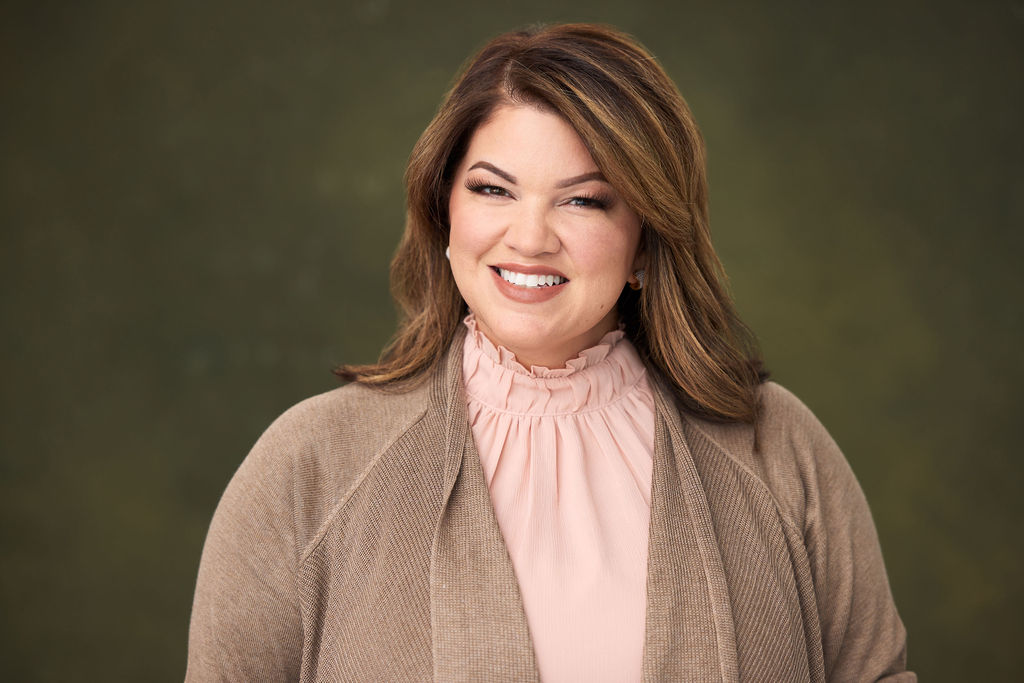
Meet Jennifer Sierra, LMHC
Holistic Mental Health Counseling
Faith-Based support| Christian Counselor in Orlando
Jennifer Sierra is a trauma-informed anxiety therapist, Certified Integrative Mental Health Professional, and founder of Holistic Mental Health Counseling. She offers a thoughtful, whole-person approach that honors the connection between mind, body, and spirit.
For clients seeking Christian counseling, faith can be gently integrated into the therapy process in a way that feels supportive, grounding, and true to your pace.
Looking for Christian counseling in Orlando for anxiety?
If faith is an important part of your life, therapy can offer a supportive space to explore anxiety with hope, compassion, and care.